What is an overdraft credit?
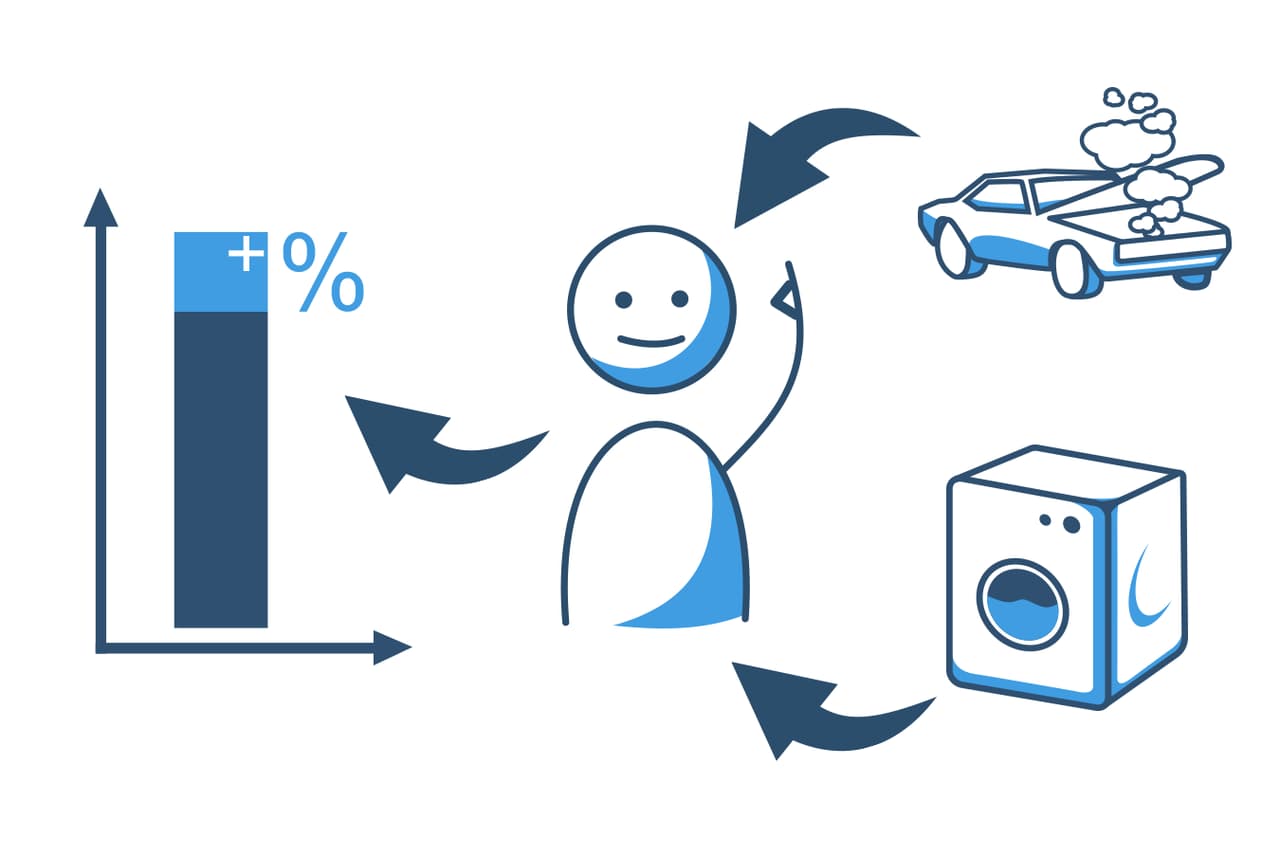
Some people want to build a house, others buy a new car. Some need a new washing machine, a new stove or a new dryer. Often everything is needed at once. Then Murphy's Law strikes again: whatever can go wrong, goes wrong. Short-term money is needed. If it is available, all is well. If not, an overdraft credit helps. Colloquially it is also called "Dispo" or "dispokredit".
When a bank grants an overdraft facility to a current account (Girokonto), the account holder can have access to more money than is currently in the account. It is therefore a way to "overdraw" the account. The bank account goes into the "negative". The financial institution charges interest for this loan.
Banks introduced this credit type in 1968. Since then it has allowed businesses and private customers to bridge short-term financial shortages. This loan form is the most widely used of all credit types. Millions of account holders tap into an overdraft every day. Why is that?
Mainly because it's easy to get an overdraft approved. Usually every newly opened current account includes an option to overdraw. The bank grants this possibility to the customer when the account is opened, provided regular payments are made into the account. The maximum credit line is typically set based on the account holder's income. This is established at the beginning. Afterwards the account holder can access this amount at any time. It is at the customer's disposal—hence the name.
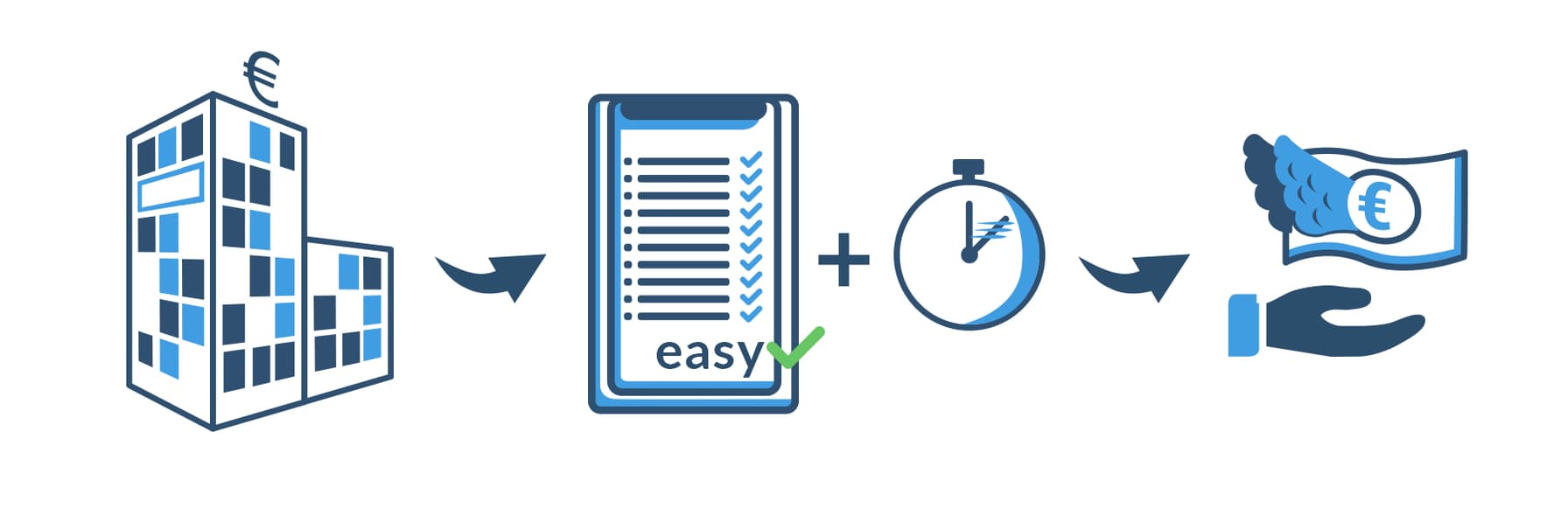
You do not have to use the entire credit amount each time. Partial amounts are possible. Any amount within the set financial limit may be used. The money can also be repaid whenever it suits. An account overdraft can therefore be maintained for a longer period, although it is not advisable. Why is that discouraged? The overdraft interest rates that banks charge are the most expensive interest rates in consumer lending.
This is because the bank may have to borrow money on the capital market at short notice. It cannot predict when the overdraft will be used. Short-term funding usually involves higher interest rates than long-term, planned financing. Banks pass these costs on to customers via debit interest (Sollzinsen). They apply for every day the account is in the negative and are calculated on a daily basis. A bank customer therefore pays interest for exactly the period during which the overdraft was used—and not a day longer.
How does an overdraft credit work?
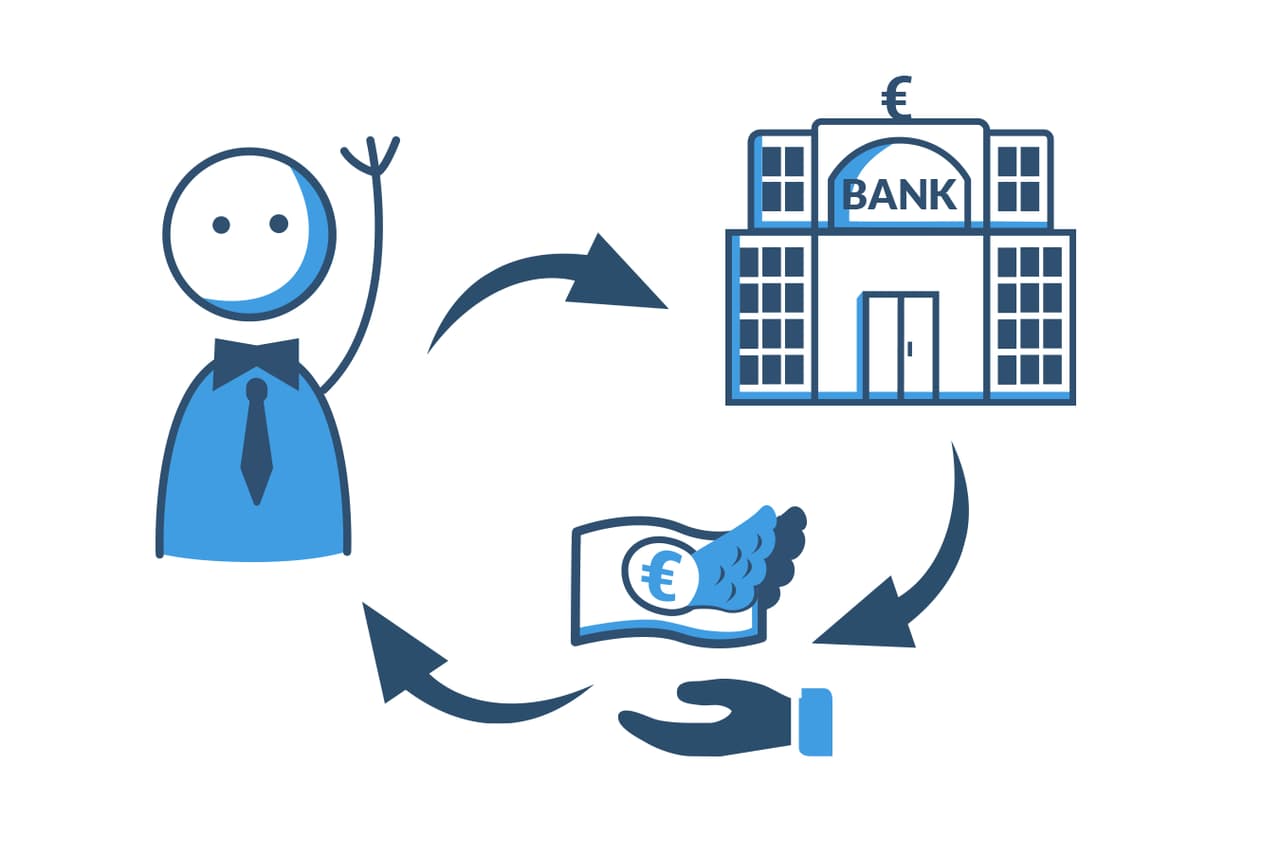
Nowadays almost every current account—including online accounts—comes with this small loan from account opening. Banks often package services together, with the overdraft being one component. If you are of legal age, have a regular income and a positive Schufa record, this credit option is usually set up quickly. After the first incoming payments to a current account, the overdraft limit is fixed.
Do you want the credit limit changed later? Banks generally allow that informally, quickly and easily. The overdraft limit can be increased or, of course, decreased afterwards. If you definitely do not want to overdraw your account, you can inform your bank.
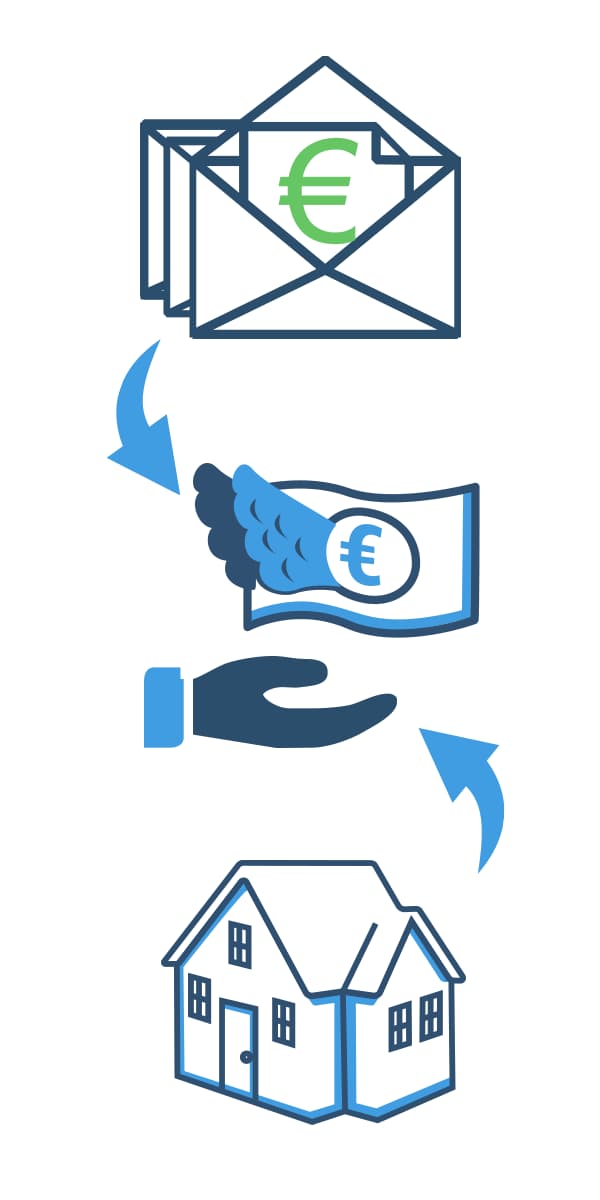
In most banks the overdraft is set up automatically by the bank; no active request is necessary. The account holder receives a "unilateral declaration of intent" from the bank, which grants the credit line and specifies the amount. This is usually sent by post. Sometimes this declaration is included as additional information on account statements. If such an offer is not sent, that's usually not a problem either. Then the customer must actively approach the bank. Anyone who wants an overdraft for their current account contacts their bank personally and agrees on the conditions.
The size of the overdraft is based on income—more precisely, the net salary that is regularly paid into the account. Most banks offer a maximum credit line equal to two to three times this amount. Only after regular incoming payments over a longer period does a bank consider a customer creditworthy. The bank trusts that the loan will be repaid within a certain period, even if that period is not fixed.
An advantage of the overdraft is that it only needs to be set up once and not reapplied for every use, even after repaying the used amount. If you use the overdraft, you do not have to apply again each time. It is always possible to withdraw more money than is actually in the account, of course only within the previously set limit. If you overdraw beyond this limit, you must expect very, very high debit interest. It is therefore advisable to stay within the overdraft limit. If the amount is still not enough, other loan types are cheaper. If the current account has been overdrawn, it should be balanced again as soon as possible. This is usually done with the next income payments. Additional cash deposits or transfers from a savings account can, of course, also eliminate the negative balance.
What determines the amount of the overdraft?
How much can it be? In general everything is negotiable. How far should the account be allowed to be overdrawn? Banks use their own experience to decide. What amount can someone with a regular income repay? When will it get tight and the account holder fall into excessive debt? Banks can estimate that. A common rule of thumb has emerged to determine the overdraft amount. This guideline is two to three times the monthly income. If you also have securities or a savings account you may have a chance of getting a higher overdraft. The credit line can also expand if, for example, a house can serve as collateral. The size of the overdraft is always an individual agreement between bank and account holder.
Requirements for an overdraft credit
Who can get an overdraft credit?
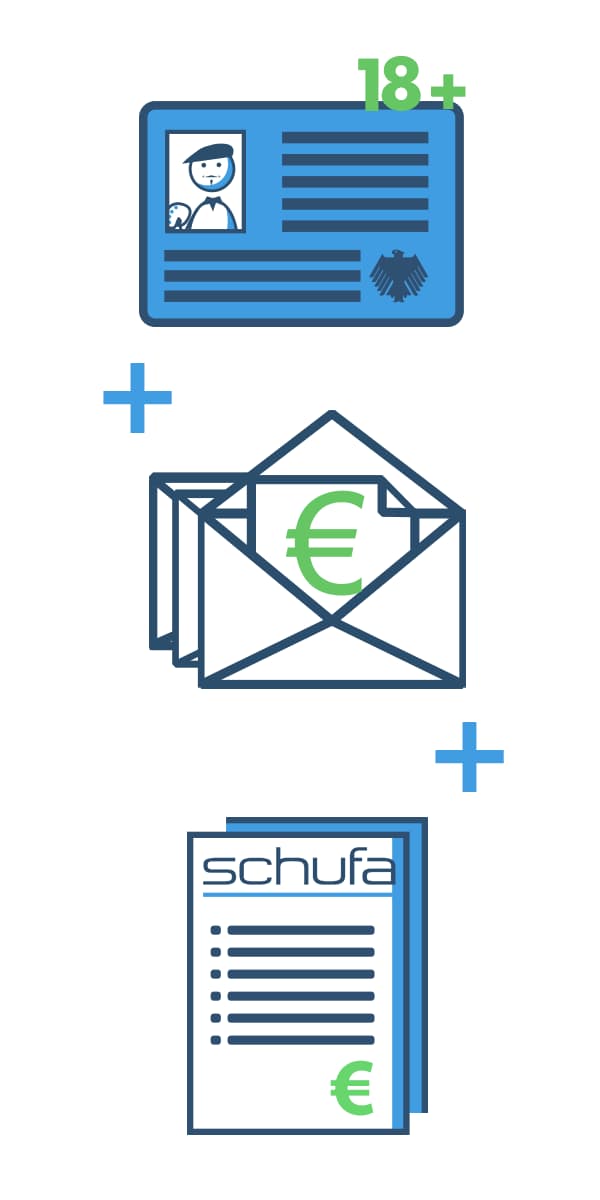
As with other loan types, being of legal age is a basic requirement to be granted an overdraft. If you are 18 or older, you can use an overdraft—provided you hold a current account and receive regular payments into it. These can be wages, salary, pension, maintenance payments, or income from self-employment. The account holder should have no negative entries at Schufa. Negative Schufa entries and a poor Schufa score reduce the chance of obtaining this overdraft facility.
If you are in vocational training or still studying, most banks will rarely grant a loan. It becomes easier with a guarantor. Even easier is getting an overdraft. Nevertheless, regular incoming payments to the current account are still required. For students this can be BAföG or earnings from a student job; for trainees the apprenticeship pay. In both cases, no negative Schufa score should exist. No further collateral is usually required to obtain the overdraft. However, many banks reserve the right to seize funds if the short-term overdraft is not repaid. The bank then accesses the current account or a possibly existing savings account. If you own securities, you can also use those as collateral.
Requirements for setting up an overdraft at a glance:
The borrower ...
- is at least 18 years old.
- has regular income.
- has no negative Schufa entries.
- holds a current account.
Is an overdraft always granted on a current account?
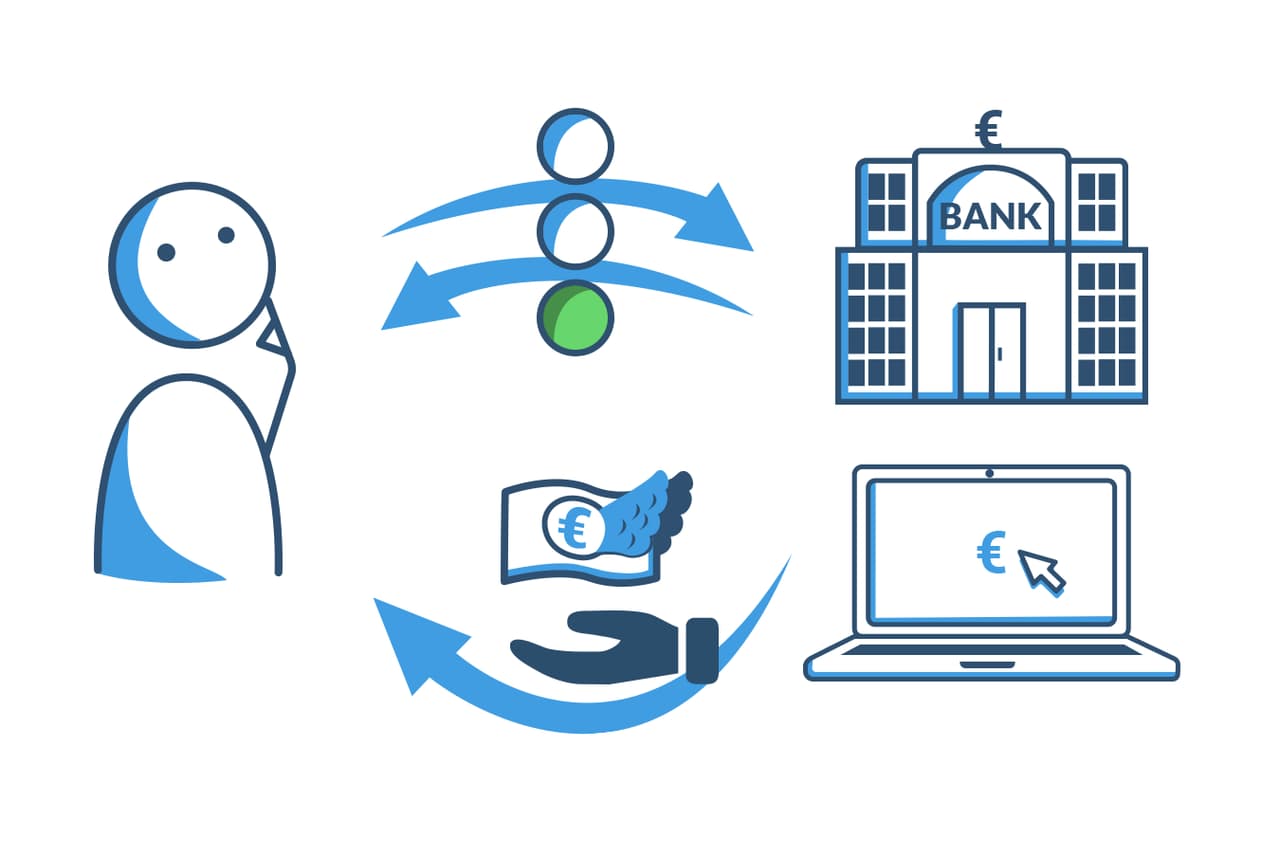
Is there already an account with salary payments incoming? Then a bank usually sends a "unilateral declaration of intent". This is mostly sent by post. Sometimes the letter is also issued as an additional account statement. With this letter a fixed overdraft limit is granted. The bank simply sets the limit at double to triple the monthly incoming income. Legally, this declaration is an offer from the bank. When the overdraft is used for the first time, the offer is considered accepted.
If the bank does not send this declaration, the account holder must contact the bank to obtain an overdraft limit. The same applies if the overdraft should be increased. The bank then agrees on the relevant conditions. It looks at whether money is regularly deposited into the account and considers the customer's current payment behavior. If the overdraft is not approved, the current account must be operated as a credit balance account. Overdrafts are then not possible.
Is an overdraft possible without a fixed income?

Finally 18—you can move out of your parents' home, even without a fixed job. First find out what you like and where you want to go. But you still want to furnish your own flat: a new sofa, a small kitchen and a modern TV. Wouldn’t it be nice to use an overdraft for that? Yes, it would. But in most cases that is not possible. Without a regular income or regular incoming payments to the current account, a financial institution will rarely grant an overdraft. Sometimes you can rely on the bank's goodwill and ask whether the credit line can be granted without a regular income.
Unemployed or in insolvency? Then chances are also poor for getting an overdraft. Everything always depends on the agreement with the individual bank, but banks generally avoid uncertain situations. In practice, unemployment or insolvency indicates lack of creditworthiness. Banks assume these people cannot repay the loan. Unemployment benefits are usually insufficient for lenders. If you become unemployed or must file for insolvency, you must even expect existing overdrafts to be cancelled by the bank.
Interest on an overdraft credit
How high are the interest rates on an overdraft?
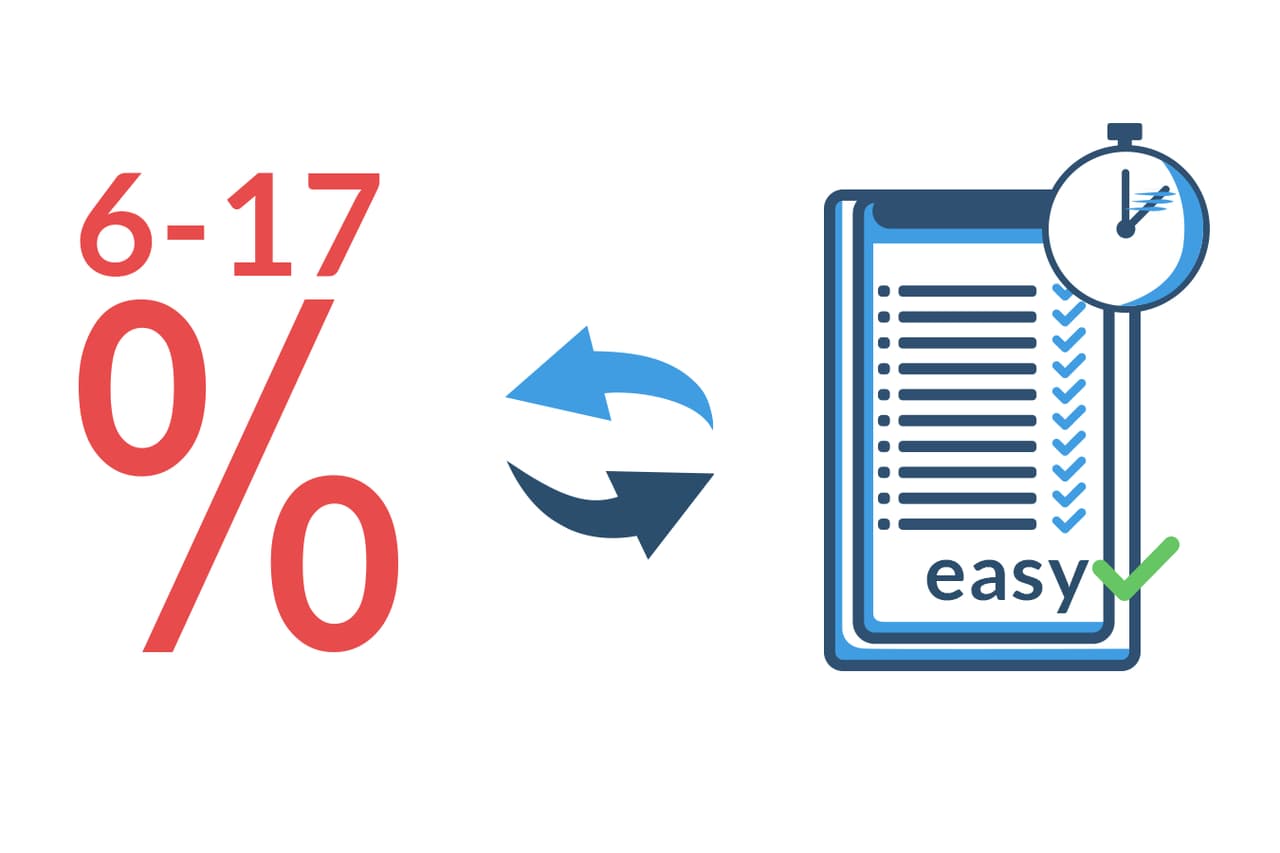
Even if you do not sign a separate contract with a bank: if you overdraw your account, you must pay debit interest. The overdraft is the most expensive option when borrowing money. On average, savings banks, Volks- and Raiffeisenbanken charge around 11% debit interest. The actual range is between 6 and 17 percent.
By comparison: a borrower typically pays 4–5% interest for the provision of funds in an installment loan (Ratenkredit). Depending on the institution, these may start below 2%. The highest rate can go up to a maximum of 12%. Online banks often offer particularly favorable conditions.
Is the granted overdraft not enough? If you exceed the credit line you will be heavily charged. The credit interest then is roughly 5% higher than the already expensive debit interest. Unlike an installment loan, these are calculated down to the day. That means interest accrues only for the days the account is in the red.
How is the interest for the overdraft calculated?

Banks use the following formula:
zu zahlender Zins = (Amount of the loan * Interest rate * Number of days) : (365 * 100)
For example: The current account is overdrawn by €200. It is in the negative for 12 days until the next income brings it back to positive. The bank charges an interest rate of 12%. The resulting amount is:
zu zahlender Zins = (200 * 12 * 12) : (365 * 100) = €0.79
Banks calculate interest daily because incoming payments can offset the negative balance. The negative amount decreases, or it increases if more money is withdrawn. Banks therefore compute daily interest automatically and typically bill these debit interest charges monthly summed for the month, and they usually invoice their customer once per quarter.
Good to know: If a bank increases the interest rate on the current overdraft, the account holder can terminate the overdraft within six weeks. This is a special termination right (Sonderkündigungsrecht). The higher interest will then not be charged. If the credit is in use and the account is currently overdrawn, that amount must be repaid upon termination.
Are overdraft interest rates the same at every bank?
Comparisons always pay off. This also applies to overdrafts. You can save a lot of money. Who doesn't know this: at the beginning of the month many direct debits are charged quickly, while incoming money sometimes takes a bit longer to be booked. You can quickly end up in the red. It's good to pay the lowest debit interest during unavoidable shortfalls. Are overdraft interest rates the same at all banks? No. There is a wide range of debit interest. Online lenders and direct banks usually offer customers lower rates than regional banks. How is this difference explained?
Savings banks, Raiffeisen banks and other local institutions have higher operating costs. Direct banks and online banks usually employ fewer staff and have lower premises costs since they forgo branches. These savings are passed on to customers. Internet banks like ING-DiBa or Comdirect typically advise via chat, phone or email. The costs for physical branches are eliminated. Thus personnel costs are lower and these banks have greater scope to offer cheaper overdraft rates.
Both direct and regional banks must borrow money on the capital market at short notice when a customer suddenly massively overdraws their account. The bank never knows exactly when the overdraft will be used. Banks pay interest on this short-term borrowing too; it is higher than for planned banking operations. Banks pass these costs to customers via debit interest.
How can I find out a bank's overdraft rate?
Everyone should know which debit interest applies when overdrawn. Legislation now requires banks to clearly display their overdraft interest rates. Since March 2016 financial institutions are legally obliged to present the height of their overdraft interest rates clearly. These must be explained understandably and unambiguously on the banks' websites so everyone can see what costs to expect when using an overdraft. Sounds good. Still, some banks obscure the concrete costs. Some institutions state a reference rate and show fees and surcharges but do not specify the exact debit interest. Others determine the interest based on the customer's ability to pay.
Thinking of switching banks or opening a new current account? Then compare thoroughly and don't just look at the overdraft rate. Sometimes a bank charges higher interest but levies high fees. What does issuing and using the EC card or an additional credit card cost? Are there account maintenance fees? Can you withdraw cash at ATMs without extra costs? Is there interest on positive balances? All of this should be considered when selecting a bank. If you only want to switch because of high overdraft interest, check whether it might be cheaper to use an installment loan or a line of credit (Abrufkredit) instead of an overdraft.
Termination of the overdraft credit
Can banks terminate the overdraft?
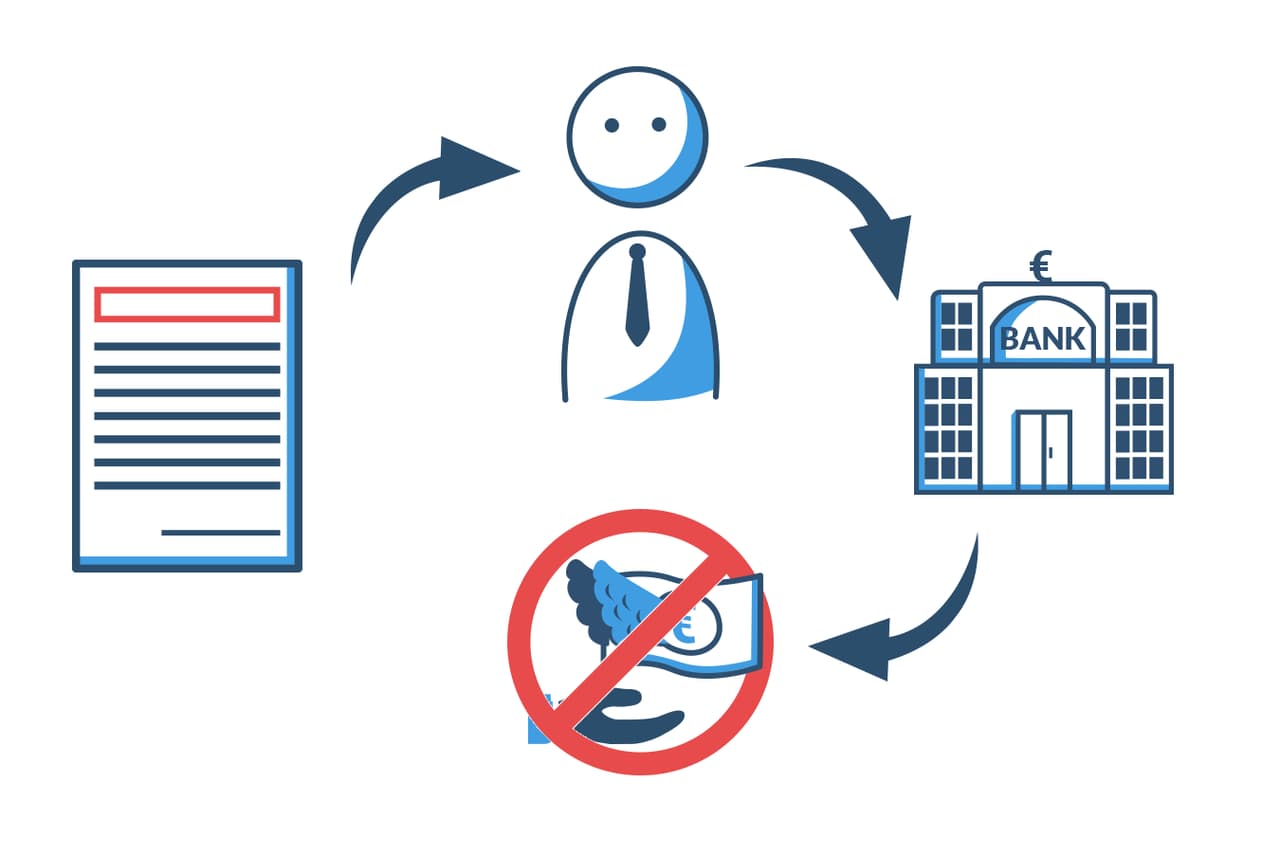
Banks regulate the termination of an overdraft or tolerated overdraft in their GTC (AGB). In most cases the overdraft limit can be reduced or completely revoked at any time. If a customer files for insolvency, becomes unemployed or their assets deteriorate significantly, banks can terminate the overdraft immediately and without notice—if the reasons are significant. Is enforcement imminent? Termination is then also possible. An ordinary termination observes the notice period, which is usually 30 days. If termination is legally effective, any overdraft in use must be repaid immediately.
Is an overdraft subject to seizure?
An overdraft is subject to seizure if the account holder actually uses the overdraft—for example through a transfer or cash withdrawal. It is not the potential amount of the granted credit that is seizable, but only the money that someone actually had at their disposal.
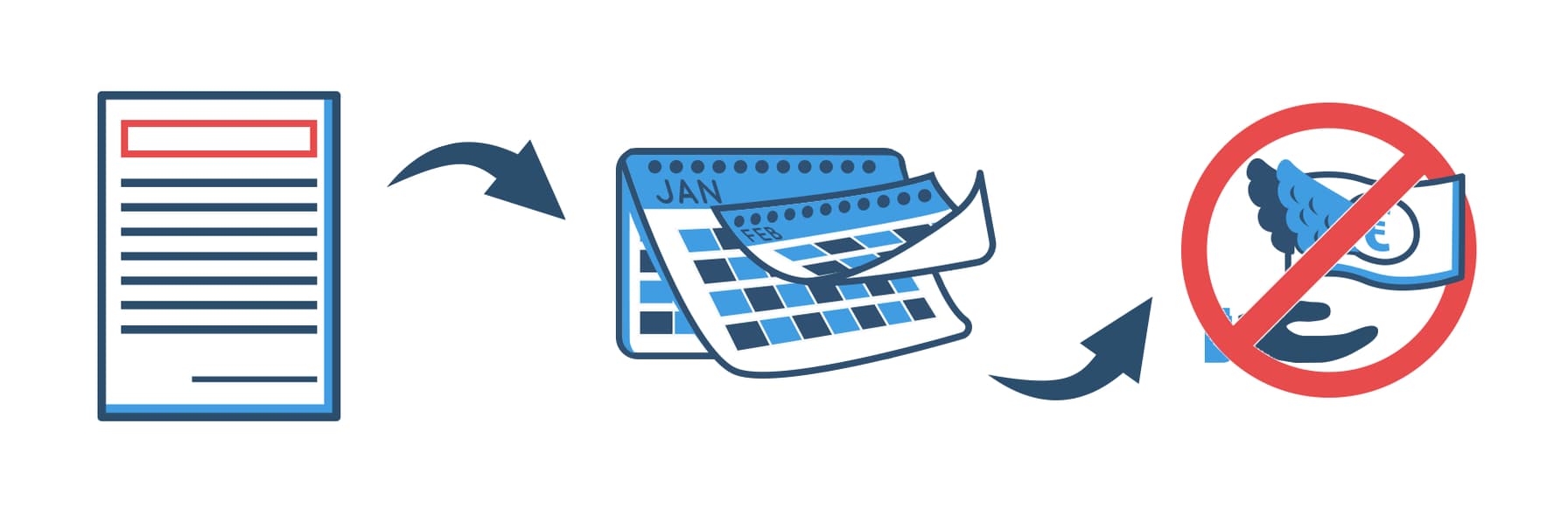
How long does an overdraft remain if no income is credited to the account?
If a customer's financial situation deteriorates, a bank can terminate the overdraft at any time. This also applies if no regular income is suddenly being received into the current account. How quickly termination occurs depends on the individual bank. A customer who has not been problematic in the past and has repaid loans regularly may be given more leeway than someone who constantly overdraws—even beyond the granted overdraft. Sometimes a bank does not get in touch for several months despite no regular income. Other times it asks after just a few days or weeks. Banks are more lenient if the missing incoming payments can be justified. Otherwise the overdraft will be immediately terminated. Usually you then have four weeks to balance the account. Afterwards the account must be operated on a credit basis, meaning it can no longer be overdrawn.
Repayment of the overdraft credit
When must an overdraft be repaid? How does repayment work?
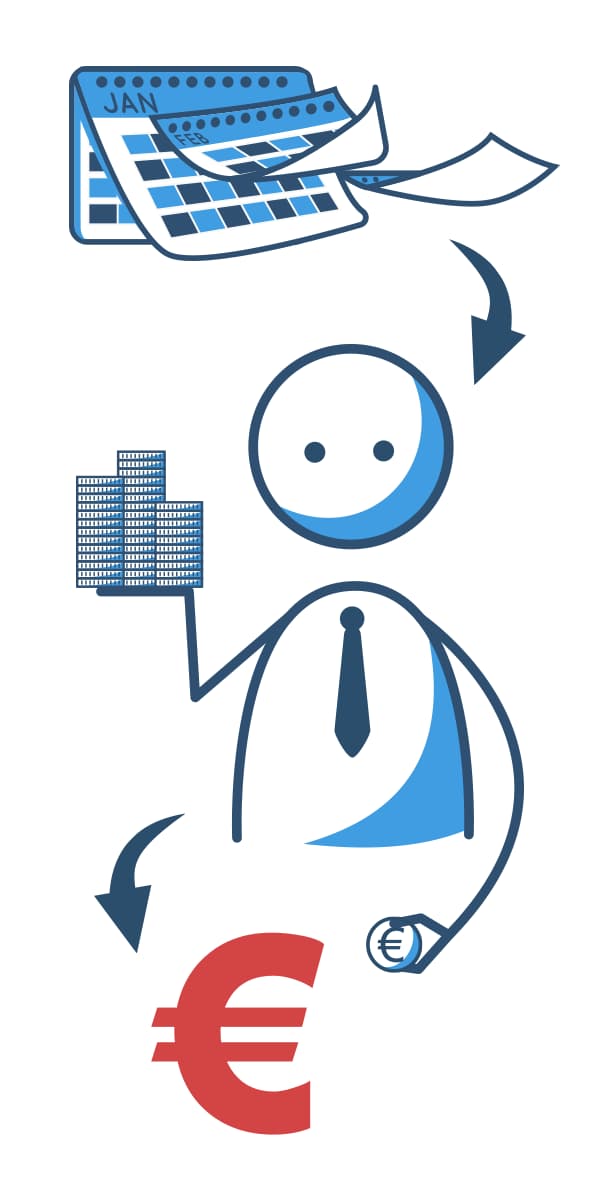
Are there fixed monthly installments as with other loans? Is there a set date when the loan must be repaid? What is normal for other loan types is different for an overdraft. There are no strict repayment conditions. No repayment installments are agreed with the bank. The account holder determines when to bring the account back from the negative to positive. Repayment usually happens automatically when the next salary or other incoming payments arrive. Consumer protection organizations warn against overusing the overdraft for too long. You can quickly fall into a debt trap and struggle to get out. An overdraft can be used year after year without a time limit. Remember that long-term, continuous use is a very expensive loan. Even when base interest rates are particularly low, overdraft interest remains the highest in consumer finance. It is advantageous to repay as quickly as possible because the interest burden decreases rapidly. The effective interest paid thus also depends on your behavior. If you use and repay the overdraft quickly and disciplined, it does not become expensive.
Can you exceed an overdraft limit?
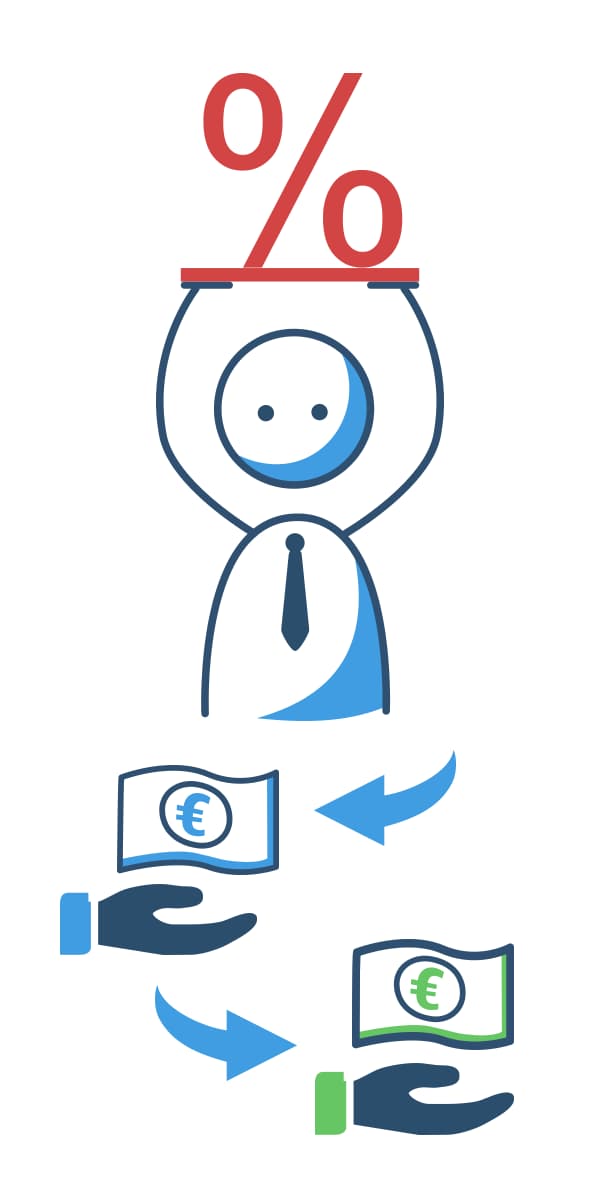
While other loans have fixed payment amounts and schedules, an overdraft can be repaid at will. You can therefore use the limit for a longer period. However, overdraft interest is expensive. In that case you should consider refinancing—i.e., using another loan form.
Not only is the repayment period flexible, but the amounts you repay are variable. With such flexibility it is easy to reach the overdraft limit. What happens then? At first nothing. It is possible to exceed the credit line and overdraw even beyond the overdraft. However, exceeding this limit should be avoided. The interest rates for overdrawing the overdraft are significantly higher than the original debit interest—often five percent or more. In this case it's better to talk to your bank. Even if the bank tolerates the overdraft, it can refuse or return debits or direct debits at any time if the account is not sufficiently funded.
Talk to the bank advisor
If you reach the overdraft limit, speak to your bank advisor as soon as possible to avoid chargebacks and much hassle. If it is clear the overdraft is very short-term and enough money will be back in the account, you can agree on a temporary overdraft extension. Here too the interest rate is higher than for the regular overdraft. For a fixed period the overdraft can be extended. Better yet is to increase the overdraft permanently. Whether this is approved depends on the bank and the customer's ability to pay.
Installment loan as an alternative
Another option is refinancing. The debts from the overdraft are converted into an installment loan. They are restructured. With an installment loan, terms and fixed repayments are agreed. This benefits both bank and borrower: the bank can be sure the debt will be repaid, reducing its risk. The borrower reduces debt continuously and usually pays a lower interest rate than the very high rate for overdraft overdrawn amounts.
Which banks grant overdraft credits?
Whether internet bank, direct bank, private bank or branch bank—today practically all banks offer the possibility of setting up an overdraft for a current account. This is the case at savings banks as well as at Volks- and Raiffeisenbanken. Millions of people use an overdraft at Dresdner Bank, Deutsche Bank or Commerzbank. In addition to the larger banks, smaller ones among the roughly 2,000 banks in Germany also allow an overdraft for current accounts. It's worth checking online comparisons. That gives you a quick overview of the conditions each bank requires when granting an overdraft.
Direct banks and online banks
Direct banks and online banks often offer particularly favorable conditions for overdrafts. The advantage is obvious: they employ fewer staff and have lower premises costs since they forgo branch networks. These savings are passed on to customers. Often current account management is free and the overdraft interest rates charged are significantly lower than at other institutions. The requirements for being granted an overdraft are the same as at traditional banks. Creditworthiness must be established. Direct banks also check Schufa and require proof of income, such as a payslip. All this is necessary so the customer can be classified as creditworthy.
Overdrafts from foreign banks
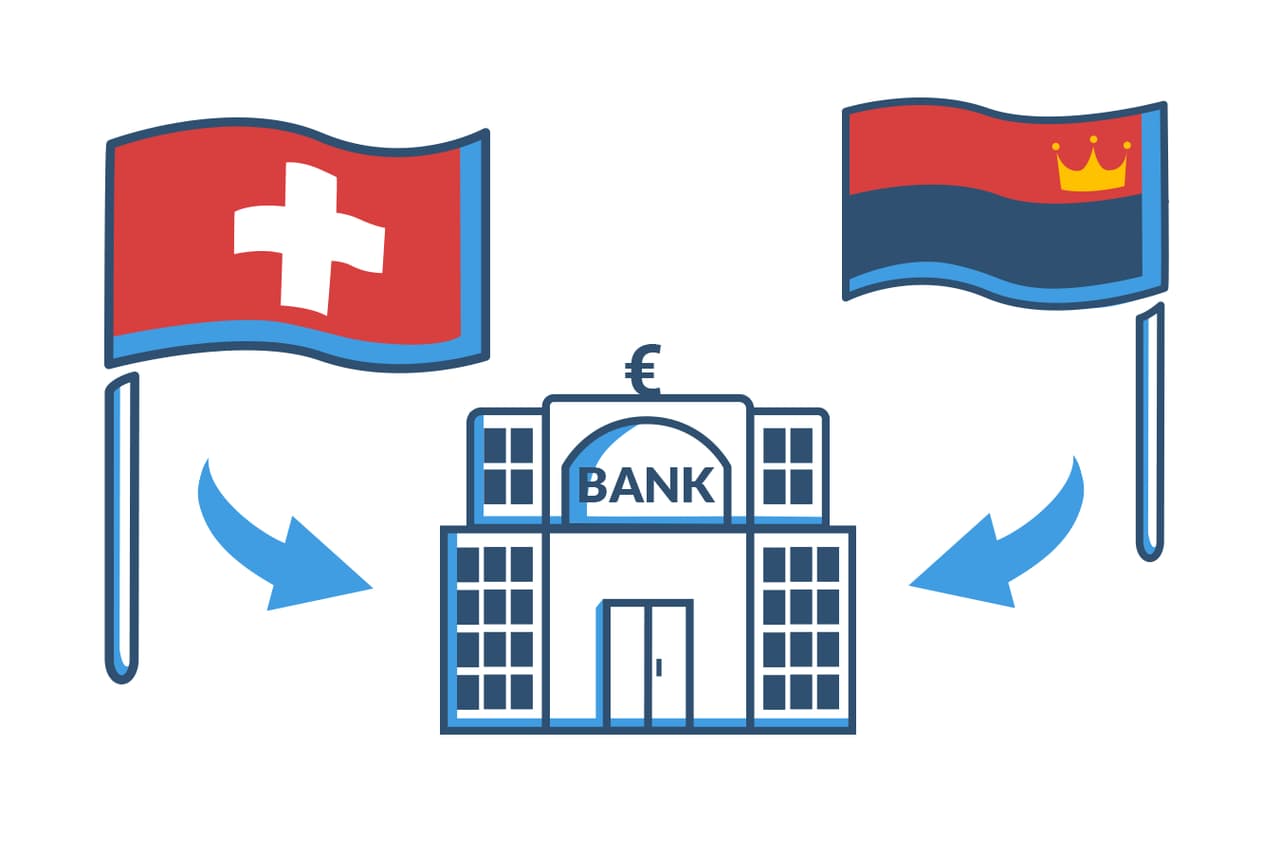
Looking beyond borders can pay off. Whether in Switzerland, Liechtenstein or Austria—foreign banks, in addition to German branch and direct banks, also offer current accounts to German customers. It is therefore possible to obtain an overdraft there as well. In some cases this is possible without querying Schufa. Within the Eurozone it is easy to use a current account with a foreign bank. The account is also managed in euros.
Is an overdraft possible without Schufa?
Who doesn't know this? A bill and reminder were overlooked and payments were missed—resulting in a negative Schufa entry. To be sure it will get its money back, a lender checks Schufa before granting credit. Is the prospective account holder or borrower creditworthy? Can they pay their bills and interest? In Germany an overdraft is generally not granted without Schufa information. But: it is still possible in individual cases to obtain this flexible credit line despite a negative Schufa score. Lenders decide on a case-by-case basis. It matters how long ago the negative entry was made. If it will soon be removed, that is viewed positively. Are there savings or fixed-term deposits? These can serve as collateral. Can the applicant demonstrate regular salary payments? Is there even an unremovable employment contract? The account holder's current behavior is also assessed. Have bills been paid on time? All this influences whether the overdraft is granted despite negative Schufa entries. Ultimately it is always the individual decision of the bank.
Advantages and disadvantages of the overdraft credit
Advantages of the overdraft
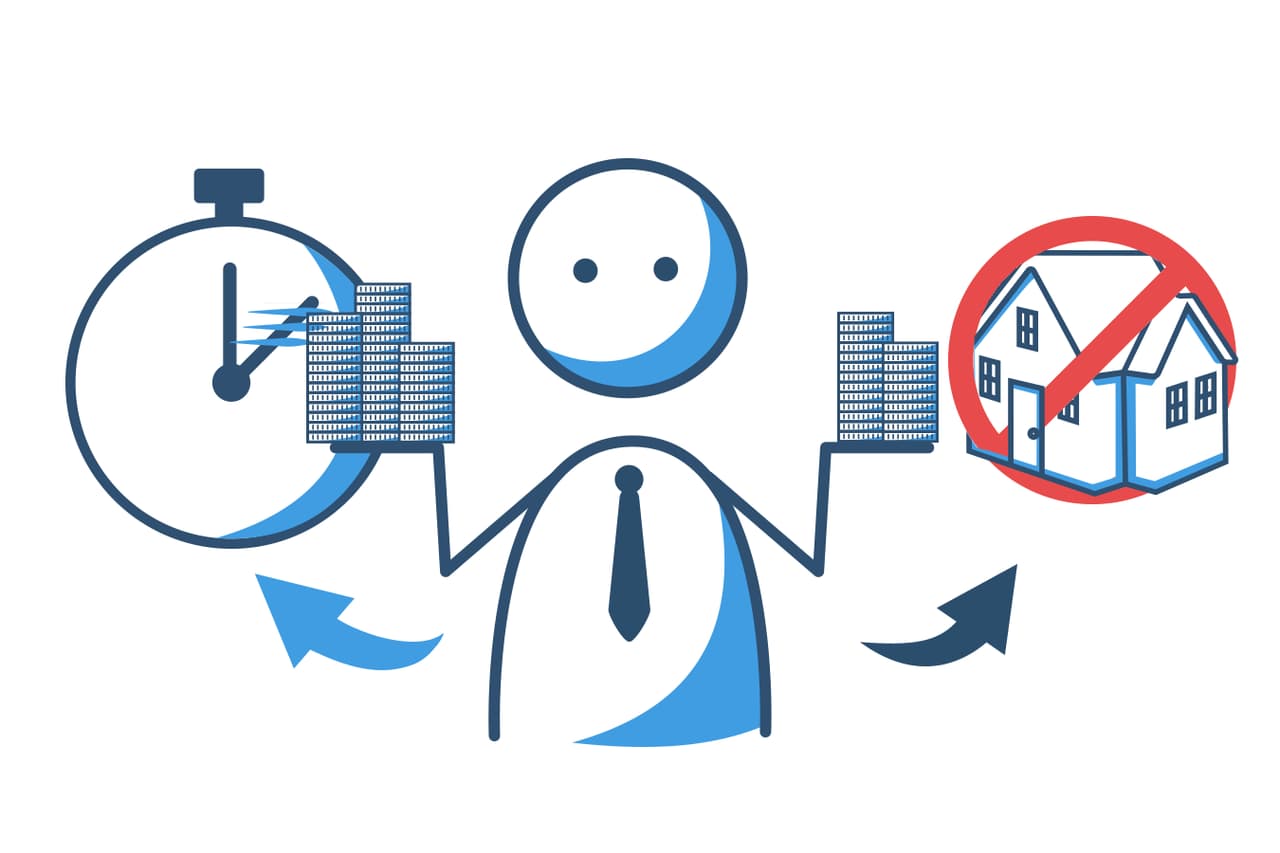
The overdraft is particularly flexible. This loan does not have to be repaid in fixed monthly installments. It is repaid when possible. There is also no fixed term. The repayment amounts can be freely determined each time. Usually the next income will balance the account. You can also transfer funds from a savings account to the current account to get back into the black. The overdraft normally does not need separate approval and is usually available immediately. Interest is charged only for the days the credit was actually used.
Advantages at a glance:
- Interest charged only for the period used
- High flexibility
- Repayment possible at any time
- Repayment in any amount possible
- No special collateral required
Disadvantages of the overdraft
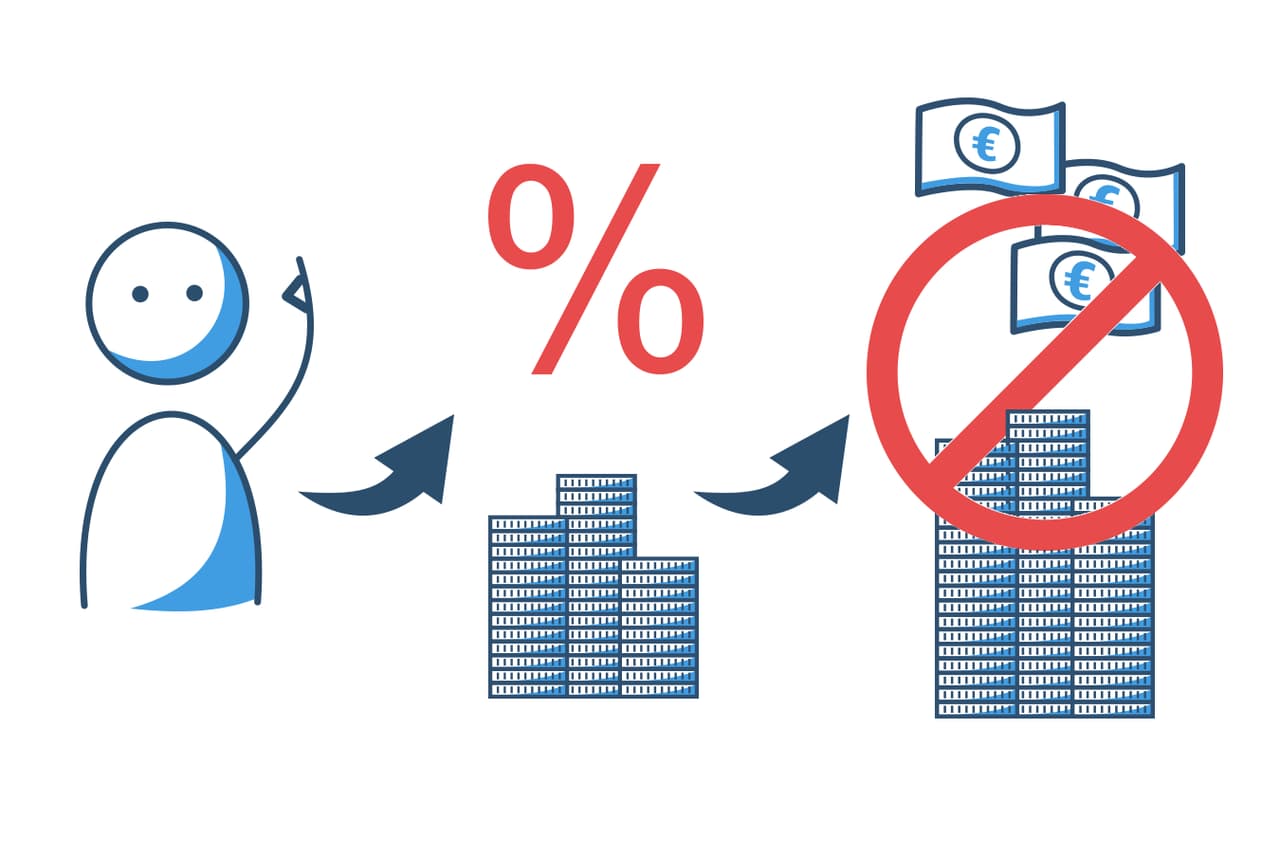
Overdraft interest rates are expensive. That is probably the most significant disadvantage. Therefore it is generally only suitable for short-term financing. Using the credit line constantly over years is costly. If you overuse it, the bank may terminate the overdraft immediately. Also, the credit line is usually limited to double or triple the monthly net income—more is usually difficult. If you exceed this credit line and overdraw the overdraft, you must pay even higher interest rates.
Disadvantages at a glance:
- High interest rates
- Unsuitable for long-term use (bank can cancel at any time)
- Credit line is limited
Are there alternatives to the overdraft credit?
Due to the high interest rates, the overdraft should only be used when there is no other option and when it is clear the negative balance can be balanced again in the very short term. Constant or long-term overdrawing is not advisable. If short-term bottlenecks occur on the current account, consider transferring money from other accounts. Is there a savings account or a daily savings account (Tagesgeld)? Is fixed-term deposit (Festgeld) available at short notice? Before using the overdraft for larger or longer amounts, check whether the account can be supplemented using these alternatives.
Line of credit or callable credit

If you need a larger sum for a longer period, it is better to negotiate a line of credit (Rahmenkredit), also known as a callable credit (Abrufkredit). This is cheaper than the overdraft but more expensive than a standard installment loan. With a line of credit you can also borrow money at short notice.
As with the overdraft, a bank account is set up and the limit is agreed. For example, you negotiate a €4,000 limit. This sum can be drawn as a lump sum or in several smaller tranches. Interest is charged only on the amount actually used. The line of credit's interest is tied to a reference rate, e.g., from the European Central Bank (ECB). If the reference rate falls, credit interest falls; if it rises, interest rises. Borrowers have flexibility with repayment modalities; there are no fixed terms or fixed monthly rates. The customer chooses when to repay which amount. Often a minimum monthly repayment is agreed between the bank and the borrower, usually between one and two percent of the agreed credit limit.
A line of credit must be applied for like an installment loan. The bank checks whether the applicant is liquid and reliable. Payslips are generally required, and the current account is usually specified as a reference account. The requested amount is then transferred to that account.
If you know you will permanently overdraw your account, a callable credit is a good alternative because interest is significantly lower. It is also suitable for loans needed for a short term, e.g., less than a year. For longer periods an installment loan is more appropriate.
Installment loan
Installment loans usually have even lower interest rates than a line of credit. The term and interest rate are fixed in advance. If you repeatedly or permanently overdraw your current account over years, it makes sense to convert those debts into an installment loan. The predetermined installment reduces the debt continuously. The longer an installment loan runs, the more it can cost in total. If you extend the repayment over a long period you pay lower monthly installments but higher total interest. Some banks charge interest surcharges for terms over 60 months. The borrower must plan for regular monthly payments over several years; in return the loan is fully repaid after a defined period. You can also reduce an installment loan by making one-off higher payments, but ensure that special repayments without prepayment penalties are agreed. Otherwise you may incur extra costs for early repayment. It is advisable to compare conditions at different banks before taking out a loan.
Avoiding debt
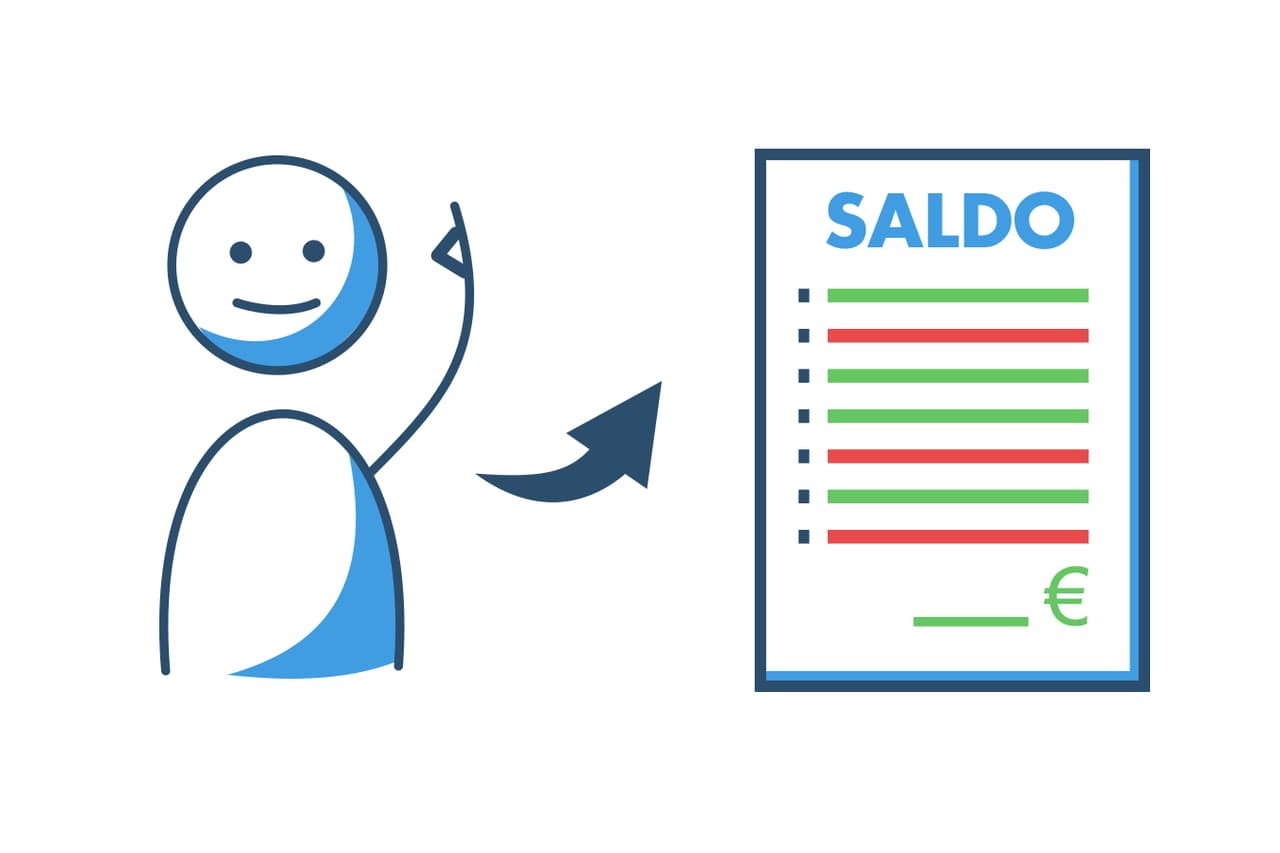
The cheapest alternative is to avoid a large overdraft in the first place. Debts often accumulate when you lose track of your finances. It's good to get an overview by listing all income and expenses. You can quickly see how liquid you are and what financial leeway you have. Shortages will occur from time to time. Who doesn't know that? If you spot them you can consider where to save or how to increase incoming funds. Building reserves in a daily savings account helps in unexpected tight situations. Sometimes such situations arise faster than you think: several appliances may fail at once, or unplanned medical costs may arise because some expenses are not covered by health insurance. If you have reserves, you won't have to overdraw the overdraft.
Overdraft credit and current account credit - What's the difference?
Some people say "Kontokorrentkredit", others say "Dispokredit". What is what and how do they differ? These credit types are very similar. In both cases a certain financial scope is set up for an account. The account holder can overdraw up to a predetermined amount, i.e., borrow money from the bank. Each bank charges interest for this. The amounts the customer borrows by overdrawing are variable each time. You can use the full credit sum at once or in smaller parts. These are repaid as the account holder desires. Up to the agreed credit line, new amounts can be borrowed again and again.
So far overdraft and current account credit are the same. The difference lies in the use of the loan. Private customers receive an overdraft; it is a form of consumer credit and is usually set up on a salary current account.
Current account credits (Kontokorrentkredite) are granted to business accounts. Companies, self-employed persons and enterprises use them to pay invoices, wages and other obligations before incoming payments from customers arrive. Banks thoroughly check the company's creditworthiness before granting a current account credit. This does not apply to an overdraft for private customers.